Professional services

Psychologist
  • Our psychologist isn’t here to “change” a child. They’re here to create a space where the child feels safe, accepted, and genuinely heard.
  • Helps parents better understand their child and respond to their needs in ways that actually work.
  • Supports children in recognizing, accepting, and freely expressing their emotions.
  • Helps kids work through anxiety, fears, stress, and other hard things.
  • Builds self-confidence and a sense of being valued and respected.
  • Develops communication skills – listening, expressing thoughts, and forming healthy relationships at home and beyond.
Special Education Teacher
  • Assesses children with special educational needs, getting a clear picture of each child’s developmental profile and the nature of any cognitive or physical challenges they face.
  • Identifies each child’s strengths alongside their areas for growth.
  • Creates individualized development plans for use at the center, and individualized education plans for use at school.
  • Sets clear goals, activities, and structure for every session.
  • Works closely with school teachers and parents, offering guidance and helping educators adapt how they teach using specialized strategies.
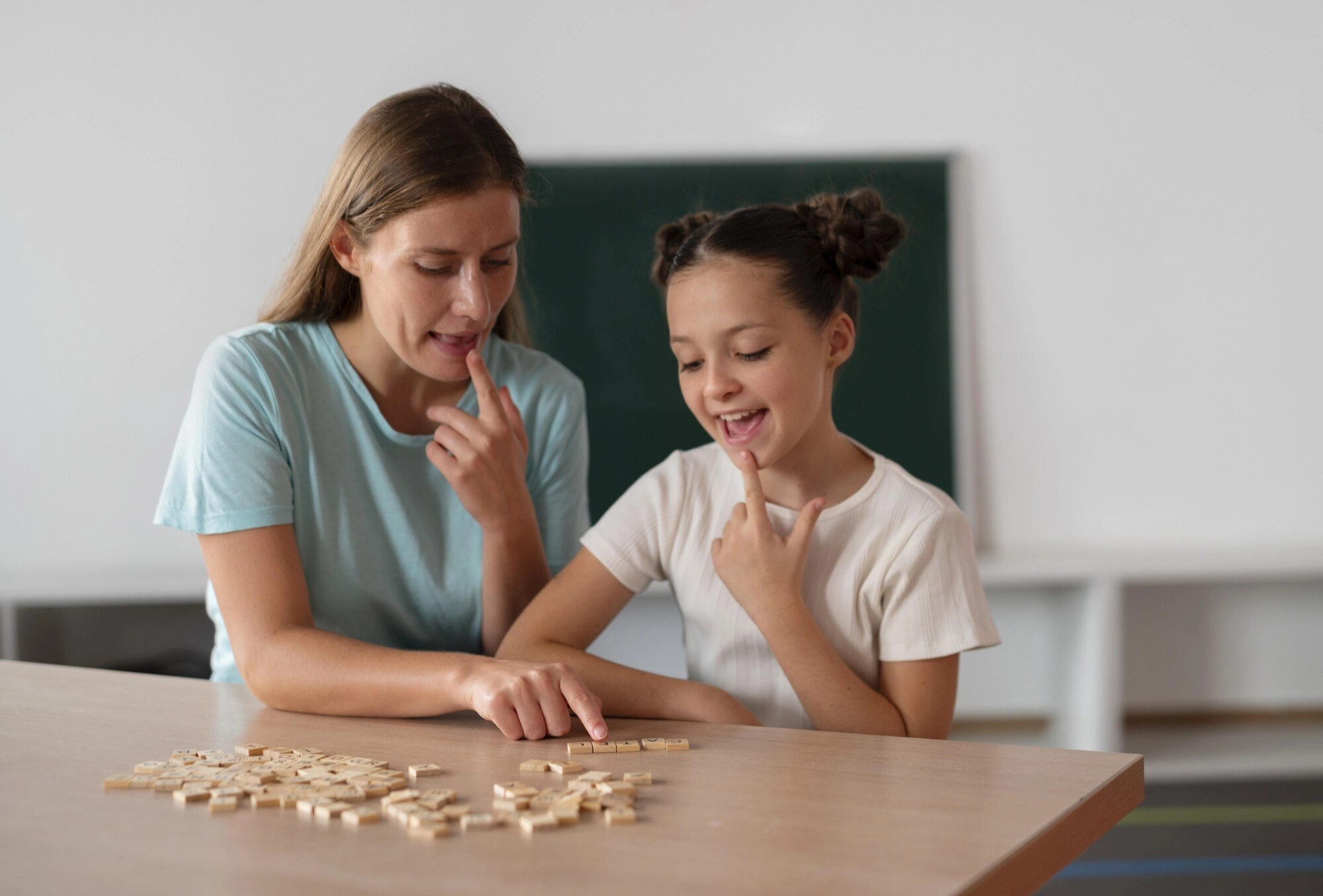
Speech Therapist
  • Helps children find and use their voice, formulating speech and expressing thoughts and feelings.
  • Supports the development of both verbal and non-verbal communication.
  • Helps children understand what’s being said to them and respond in a timely, meaningful way.
  • Builds age-appropriate vocabulary and connected speech.
  • Helps children retell experiences from their own lives.
  • Supports children in forming questions and taking part in back-and-forth conversations.
  • Helps children use speech as a real tool, to ask for things, express how they feel, and share what they want.
Hard-of-Hearing Teacher
  • Supports children in using alternative ways to communicate, including sign language and fingerspelling.
  • Promotes the development of verbal expression – sounds, words, and connected speech.
  • Helps children participate fully in the learning process and access their right to education.
  • Develops lip-reading skills.
  • Heps children make the most of their residual hearing through modern hearing devices and technology.
Social Worker
  • Shows up for the family, the parent, and the child when things get hard, so they feel protected, confident, and not alone.
  • Doesn’t step into the middle of family life, but helps families find their own solutions and get back on steady ground.
  • Connects families to the services, financial support, medical care, and educational or social programs they need.
  • Makes sure children’s rights are protected – their right to equal opportunity, to learn, to grow, and to be part of the world around them.
  • Helps families discover their own strengths and build the skills to create a stable, healthy home for their child.
  • Supports families and children in becoming more active, connected members of their community.
  • Helps families navigate tough decisions by helping them see their options, their strengths, and the best path forward.
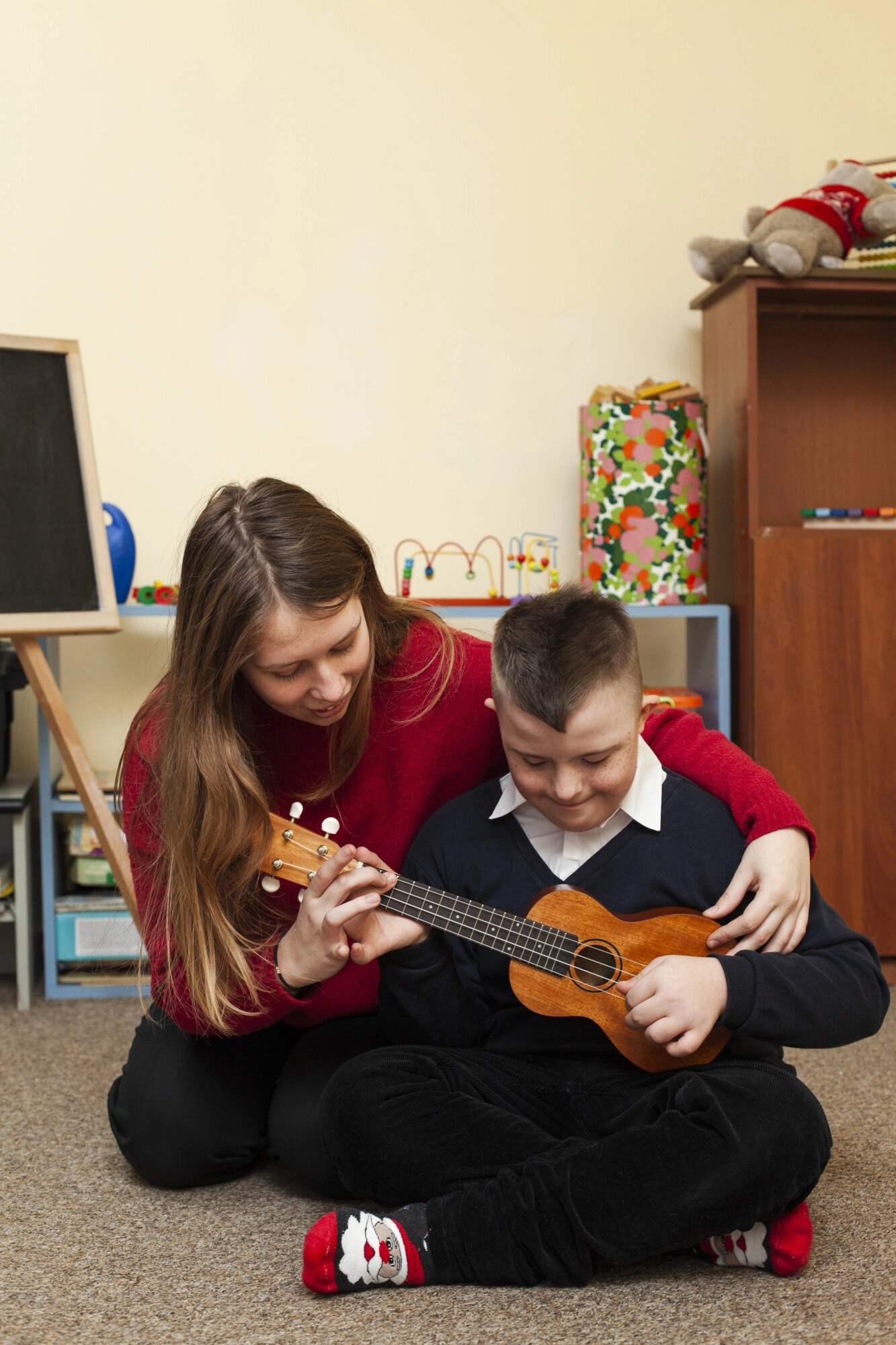
Music Therapy
  • Gives children a way to express what’s hard to say in words — joy, sadness, and everything in between.
  • Helps children better understand and manage their emotions.
  • Brings calm and steadiness, especially during moments of anxiety or stress.
  • Strengthens memory, attention, and other cognitive skills.
  • Opens the door to group musical activities where children can connect and collaborate.
  • Builds communication, cooperation, and teamwork.
  • Activates multiple senses and helps children understand and respond to their sensory world.
  • Supports language development and speech.
  • Builds confidence.
Adaptive Physical Education
  • Creates a safe, supportive space where every child can be physically active — at whatever level works for them.
  • Develops motor skills, balance, and strength through exercises that are specially adapted to each child.
  • Adapts games, exercises, and equipment so every child can take part safely and effectively.
  • Teaches children to follow instructions, stay focused, remember sequences, and manage their own behavior.
  • Group activities help children cooperate, take turns, connect with peers, and feel like part of a team.
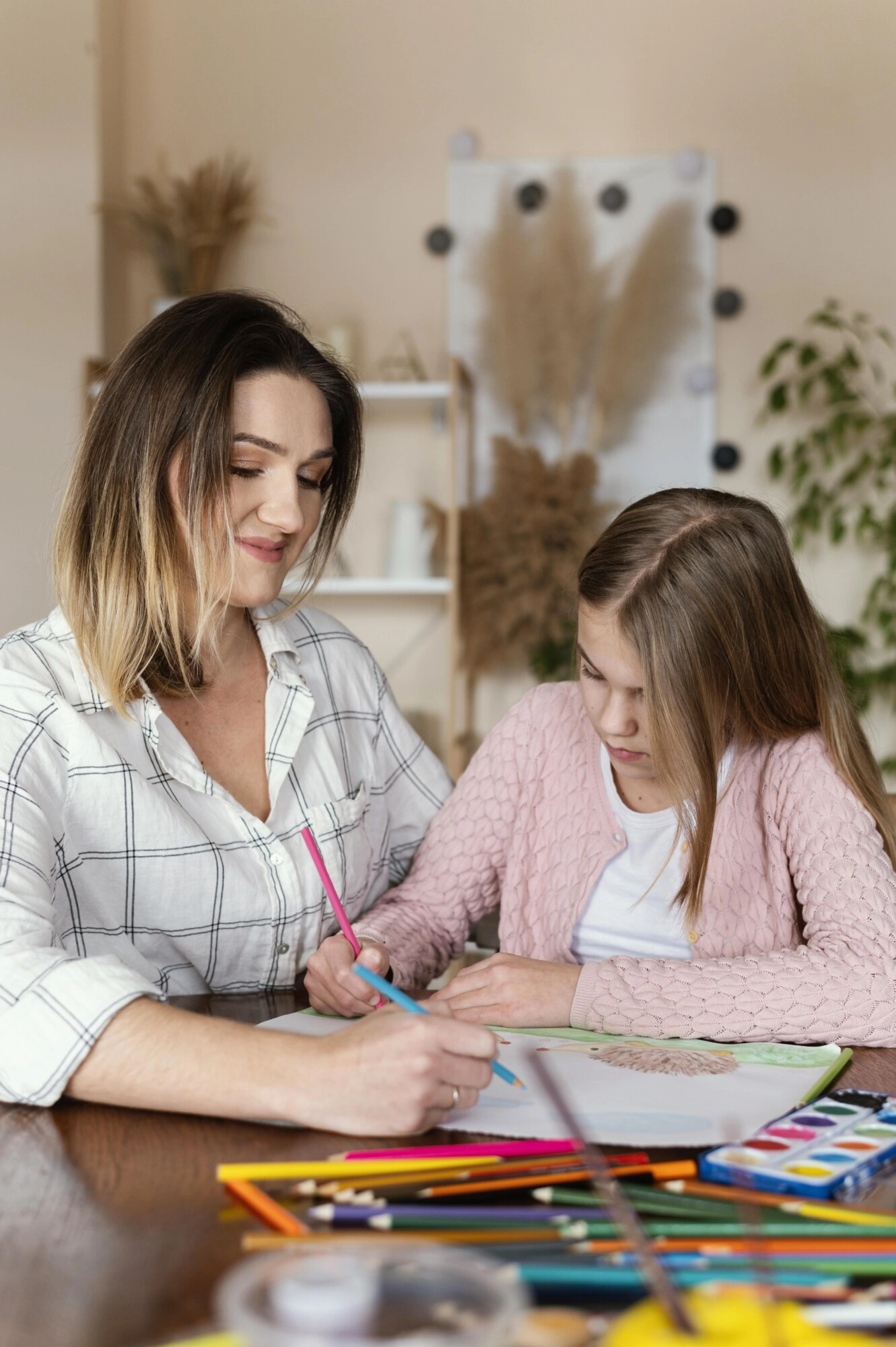
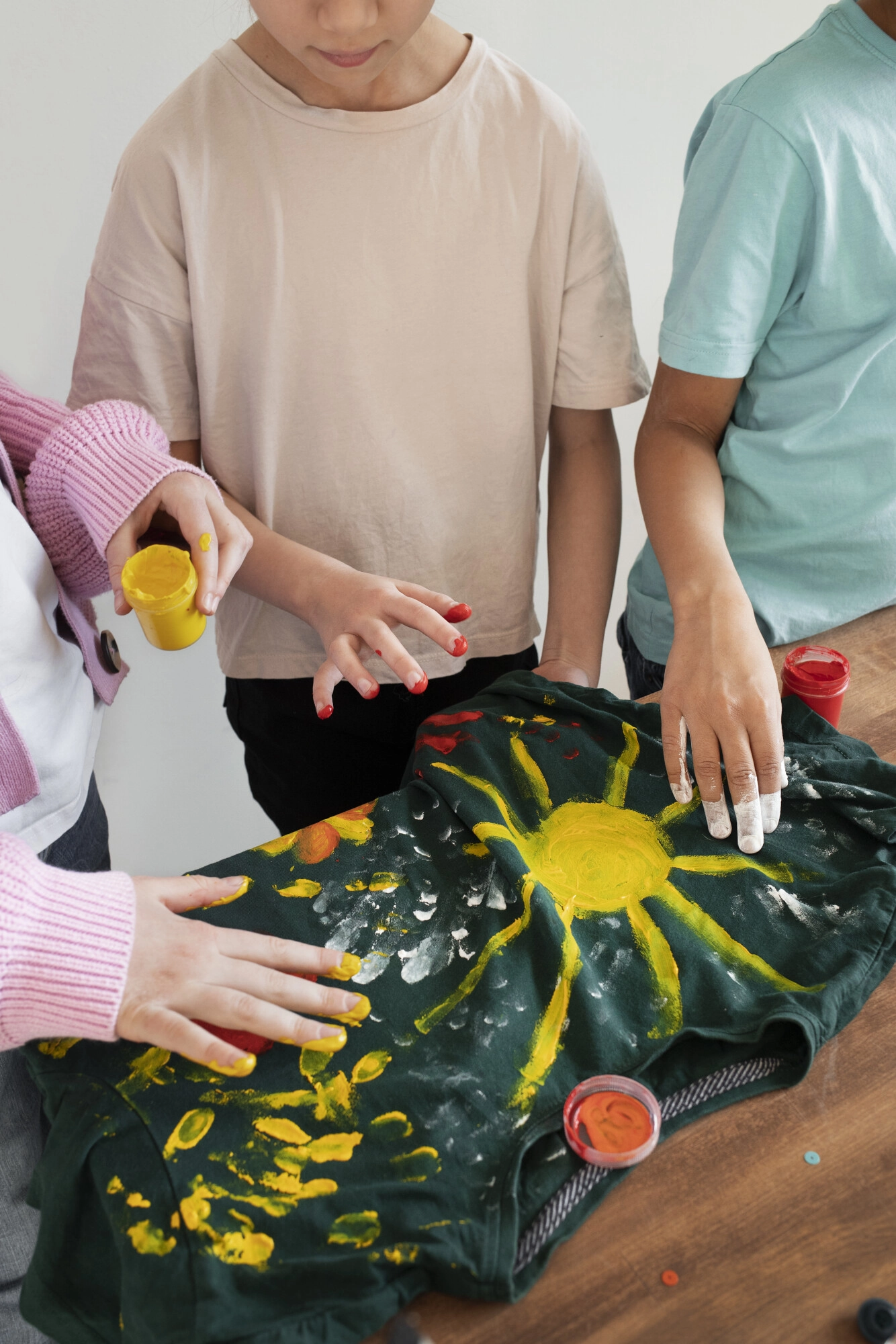
Art Therapy
  • Supports sensory development and helps children regulate how they take in the world around them.
  • Helps children recognize and safely express their emotions.
  • Releases mental and physical tension.
  • Encourages self-awareness and finding new ways to express oneself.
  • Builds communication and creative skills.
  • Supports healthy self-esteem.
  • Boosts motivation.
  • Develops social skills and the ability to work and play with others in group settings.
Social Pedagogue
  • Listens to children, helps them make sense of their feelings, and shows them they don’t have to face things alone.
  • Works with parents and teachers to create environments where children feel safe, respected, and accepted.
  • Helps children build and grow their social skills.
  • Runs group discussions, role-playing activities, and situation-based conversations that help children practice listening, cooperating, compromising, resolving conflict peacefully, and taking responsibility.
  • Supports children through difficult situations — helping them understand what’s happening and figure out a way forward.
Therapeutic Horticulture
  • Being in nature and caring for plants helps children slow down and feel calm. Stress just drops.
  • Develops hand and finger coordination, strength, and fine motor skills.
  • Engages all the senses, giving children a grounding, nourishing way to connect with the natural world.
  • Turns nature into a place of play and discovery.
  • In group sessions, children learn to cooperate, listen to each other, and solve problems together.